Around the world
Introduction
Around the World Architecture explores the diversity of building traditions across continents, highlighting how local climate, materials, and culture shape the spaces we inhabit. Drawing from field studies, case examples, and global design practices, it offers a rich panorama of solutions for contemporary architectural challenges. More than a survey, it functions as a source of inspiration—inviting designers to experiment, adapt, and rethink how architecture can respond sustainably and thoughtfully to its context.
Professors
Prof. Myriam Gautschi (gautschi@htwg-konstanz.de) in Zusammenarbeit mit ENSA Lyon, Prof. Julie Cattant, HABITAR AMAZONIA Macapá, Prof. Ana Karina Rodrigues, FADU Montevideo, Prof. Constance Zurmendi
Date
Summer term 2024





Frankreich / Burgund Franche-Comté
typos : culture
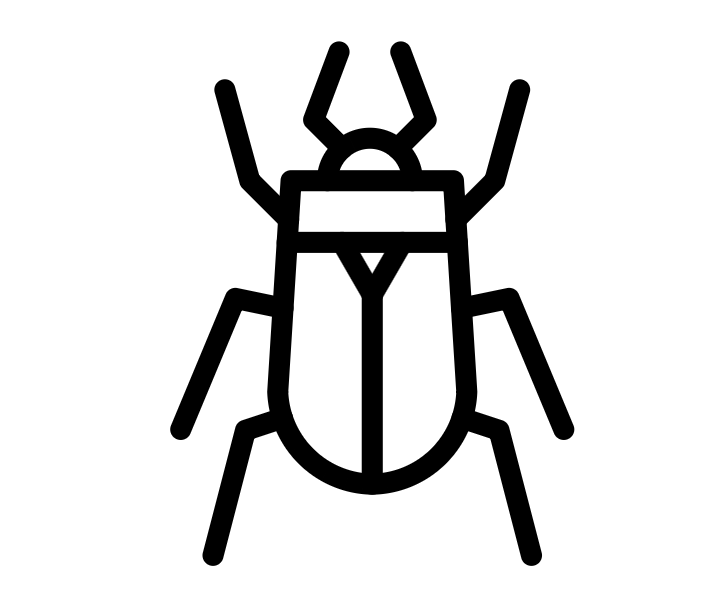
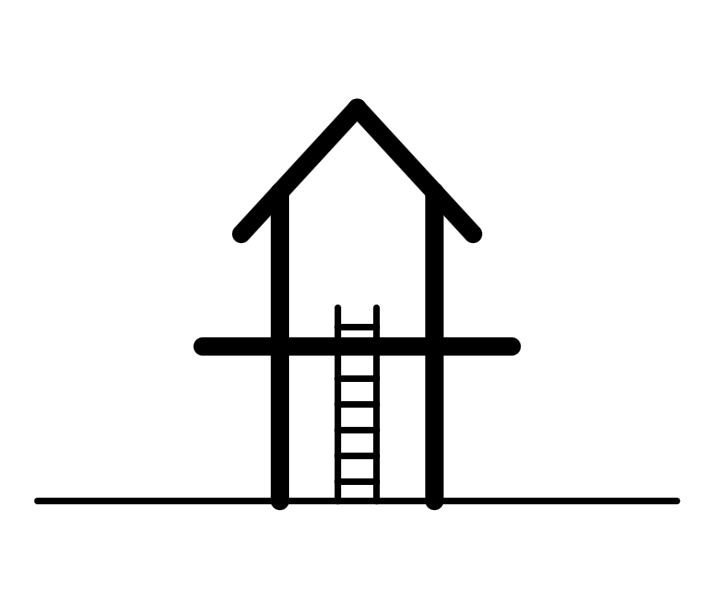
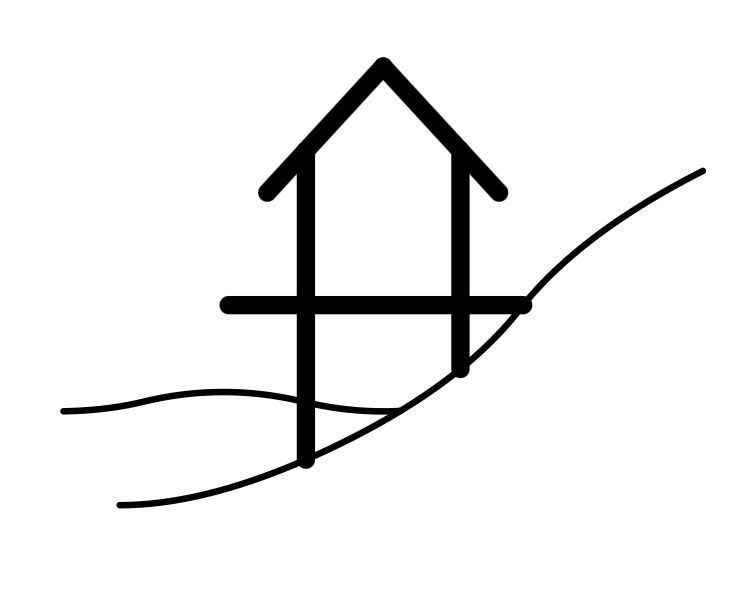
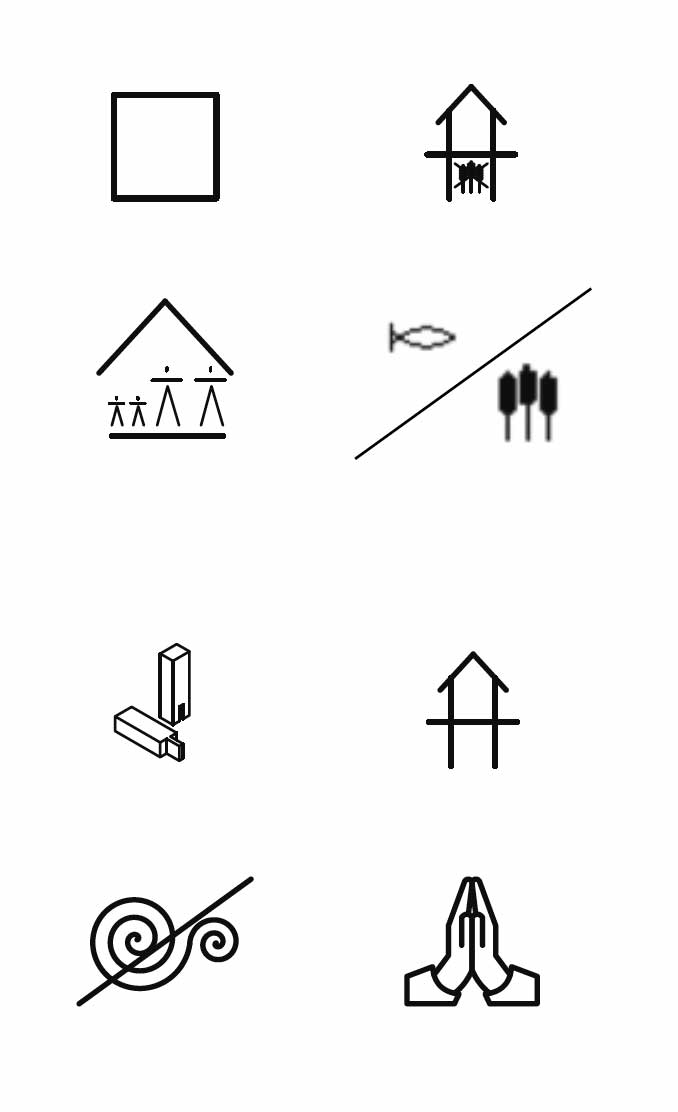
Typology Finds and remnants from archaeological analyses show that these must have been single rooms, which can be concluded from denenau the independent provisioning of individual families. The crops were stored and in the upper part of the buildings.
Type of housing, culture & society The dense development and the communal usable areas suggest a co-operative society. There was probably close co-operation within the community in the construction and maintenance of the settlement. Farming, fishing and animal hunting were all part of the provisioning.
Craft Many woodworking tools such as the stone axe with deer antler lining can be derived from the finds. Jewellery was also found, suggesting trade and a certain cultural indetity.
Colour & symbolism Many of the ceramic vessels were decorated. The decorations included moulded patterns, incised lines and sometimes painting, which served aesthetic and possibly symbolic purposes.
topos : climate
Settlement structure The layout presumably followed a certain pattern that indicates collaborative planning processes. There was no random distribution of houses, but rather a well-considered placement in order to optimise the use of available resources.
Organisation The buildings were arranged close together, which indicates a dense settlement structure. Mostly regular structures laid out parallel to the water’s edge
Relation to water Trade played an important role, as finds of goods imported from far away show, and agriculture and fishing were the main sources of food. Due to their location on the water, the pile dwellings provided a good basis for fishing and access to zufruchtbaren land.
Protection The location on the water, or above the water, provided protection from enemy attacks and animals. Later, palisades were also erected.
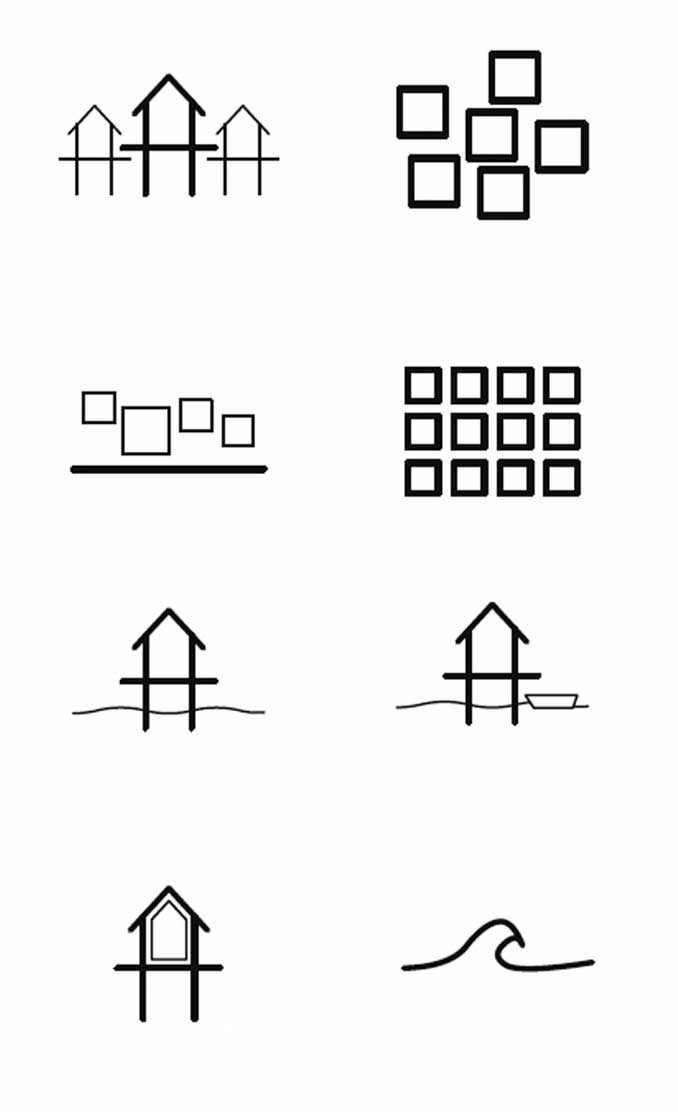
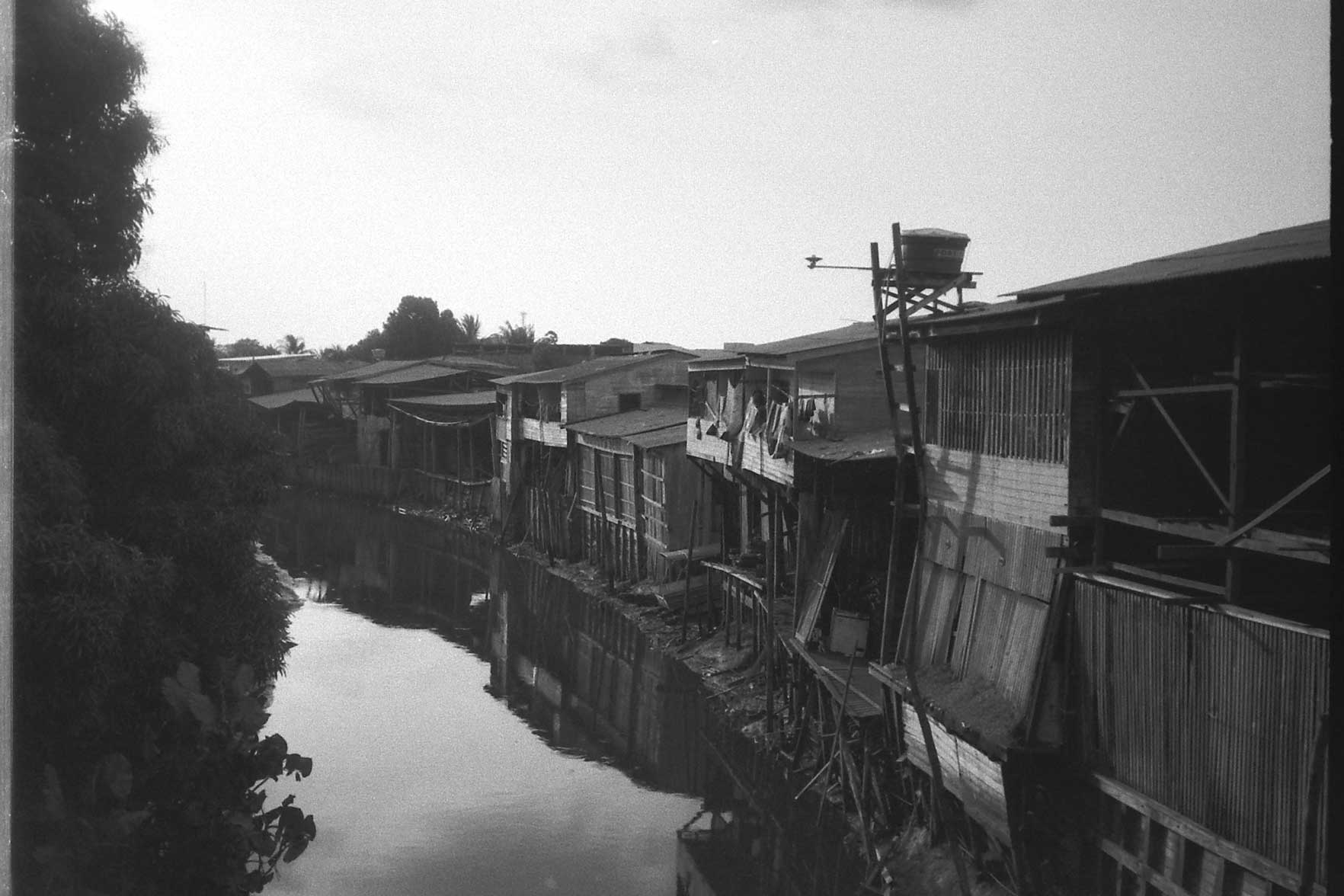
Stilt houses worldwide
Relation to water Trade played an important role, as finds of goods imported from far away show, and agriculture and fishing were the main sources of food. Due to their location on the water, the pile dwellings provided a good basis for fishing and access to zufruchtbaren land.