Summerschool *24 – Amazonas
NICHT SICHER WELCHER TEXT ZUR SUMMERSCHOOL 24 AMAZONAS PASST
Living above water – from Lake Constance to the Amazon. This seminar explores stilt houses as climate-responsive architecture. From prehistoric lake dwellings at Lake Constance to today’s casas ribeirinhas in Brazil, elevated structures reflect how humans adapt to rising and falling water levels. By linking cultural context and climate, we examine how traditional building methods can inspire sustainable living spaces today.
Led by Prof. Myriam Gautschi (HTWG Konstanz) with Prof. Julie Cattant (ENSA Lyon), Prof. Ana Karina Rodrigues (HABITAR AMAZONIA, Macapá) and Prof. Constance Zurmendi (FADU Montevideo).
Summer term 2024
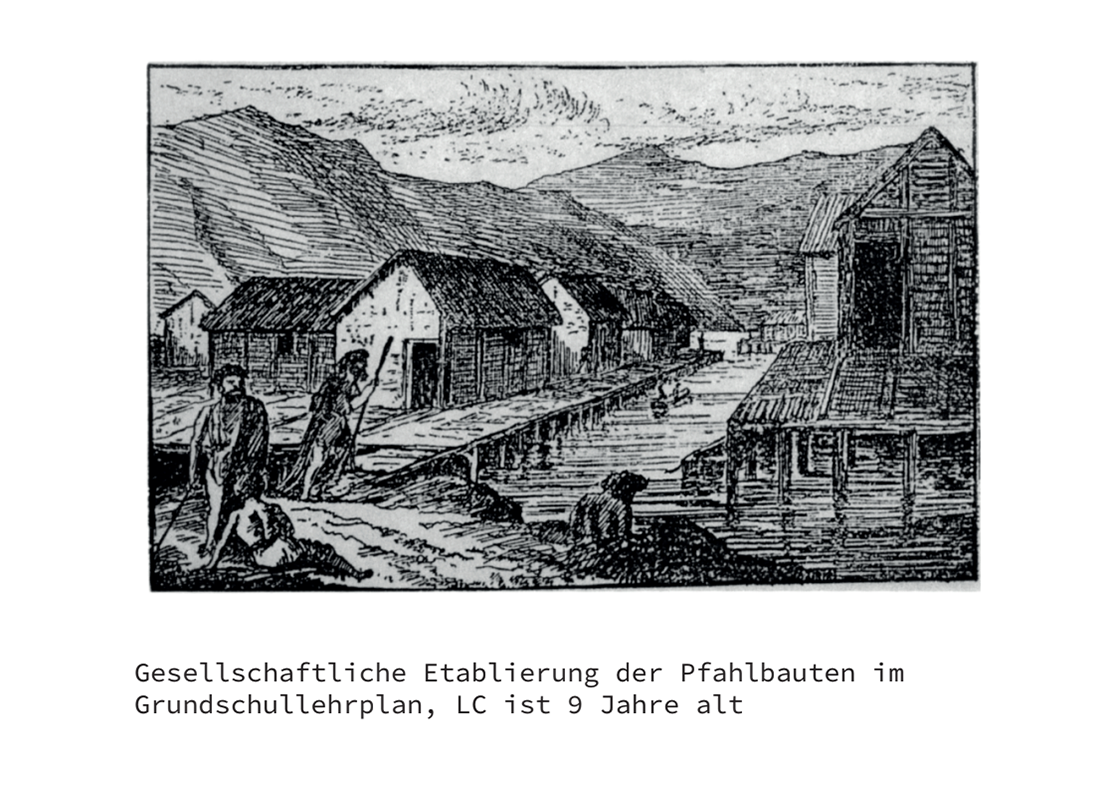
Findings of prehistoric pile dwellings show that human history in the Neolithic Age evolved from a hunter-gatherer society into a more settled culture. People began to establish permanent homes and construct living spaces. The pile dwellings of Unteruhldingen on the opposite side of Lake Constance allow visitors today to experience this ancient form of housing, now protected as a UNESCO World Heritage Site.
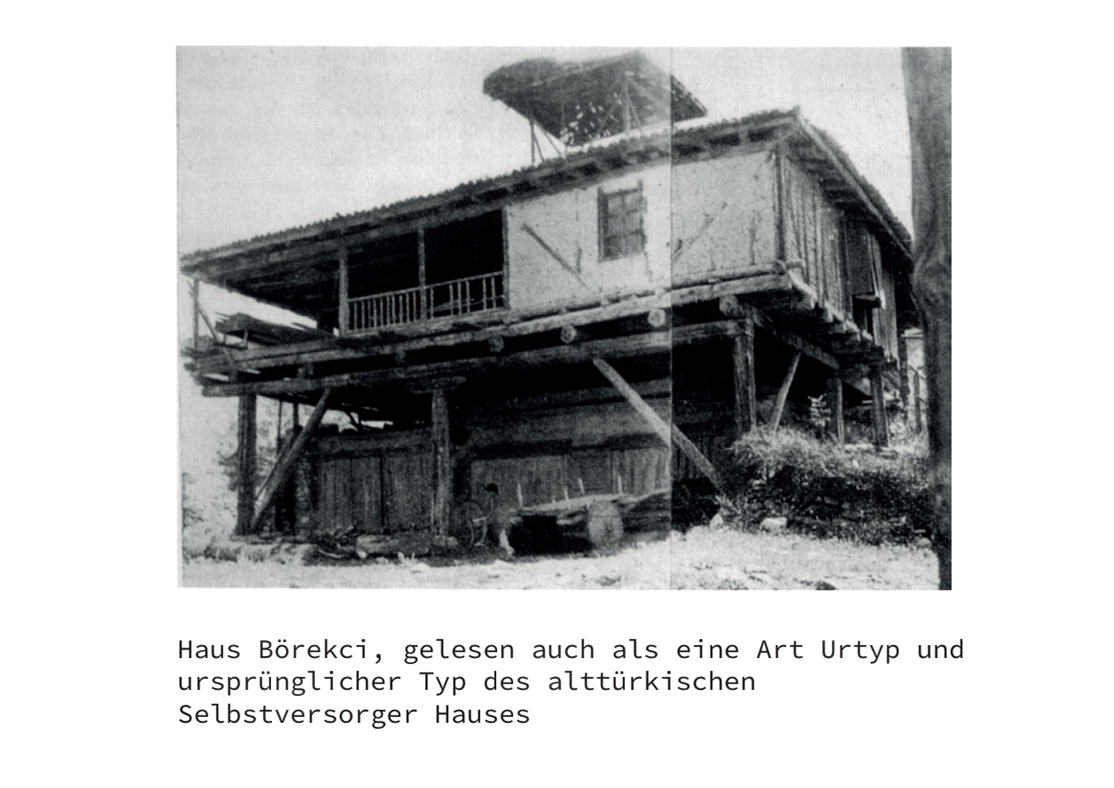
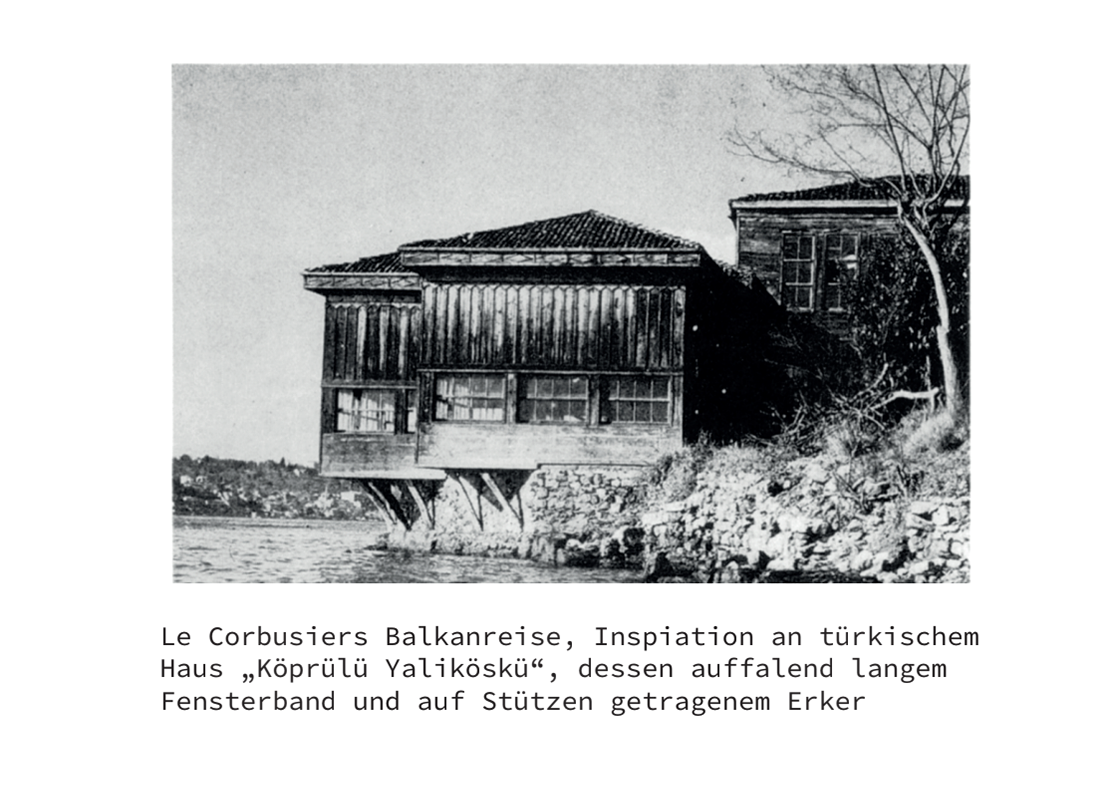
In Brazil, pile dwellings known as casas ribeirinhas still provide living space for river communities along the Amazon. Due to extreme fluctuations between high and low water levels, the stilts can reach up to eight meters in height. Gabled or hipped roofs offer protection, while spacious verandas provide shade and promote ventilation.
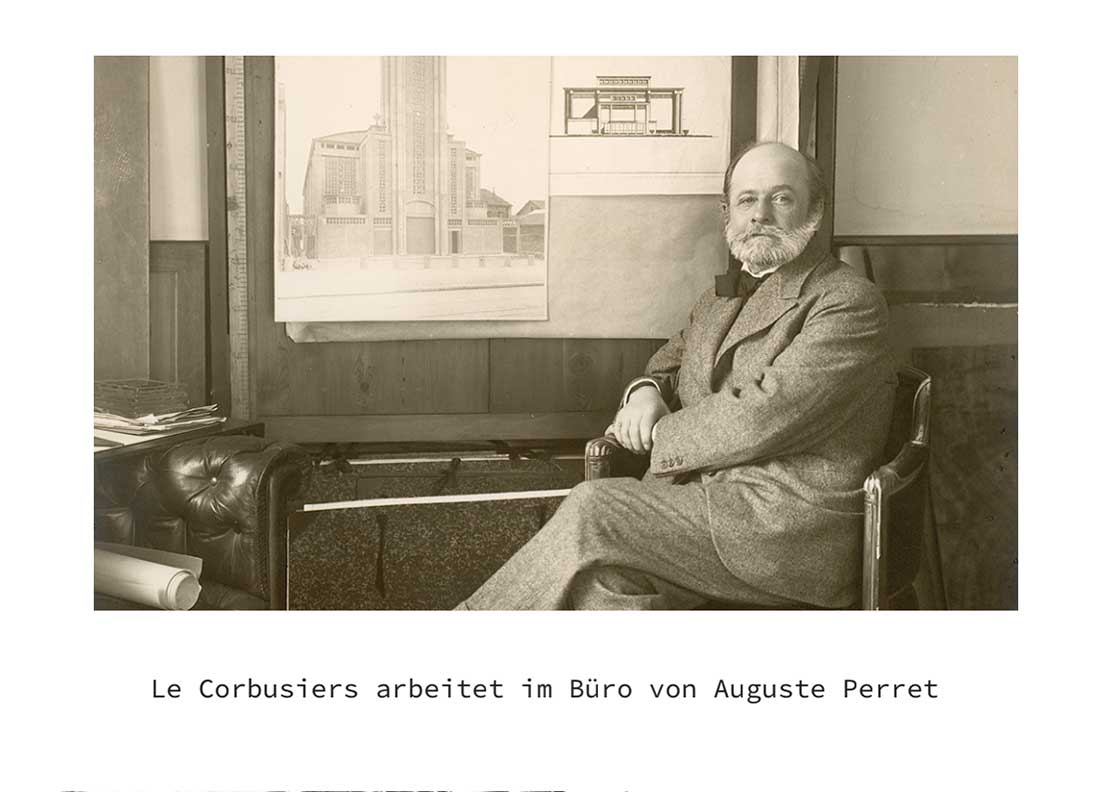
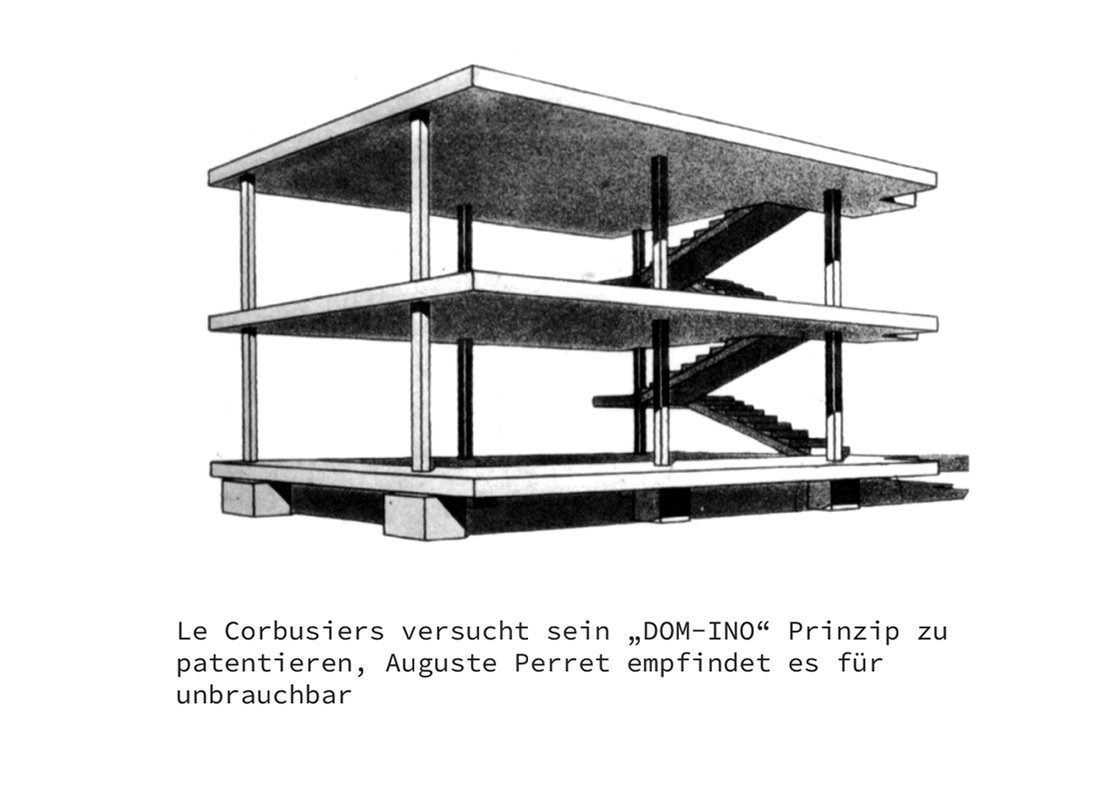
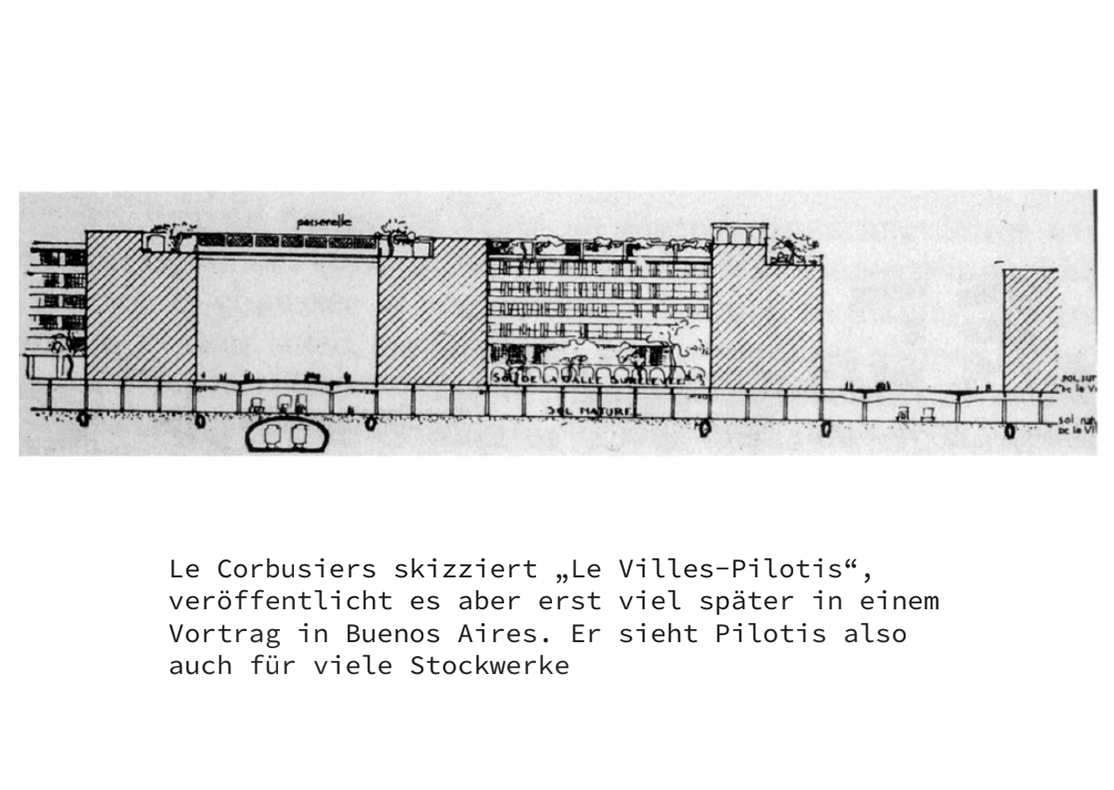
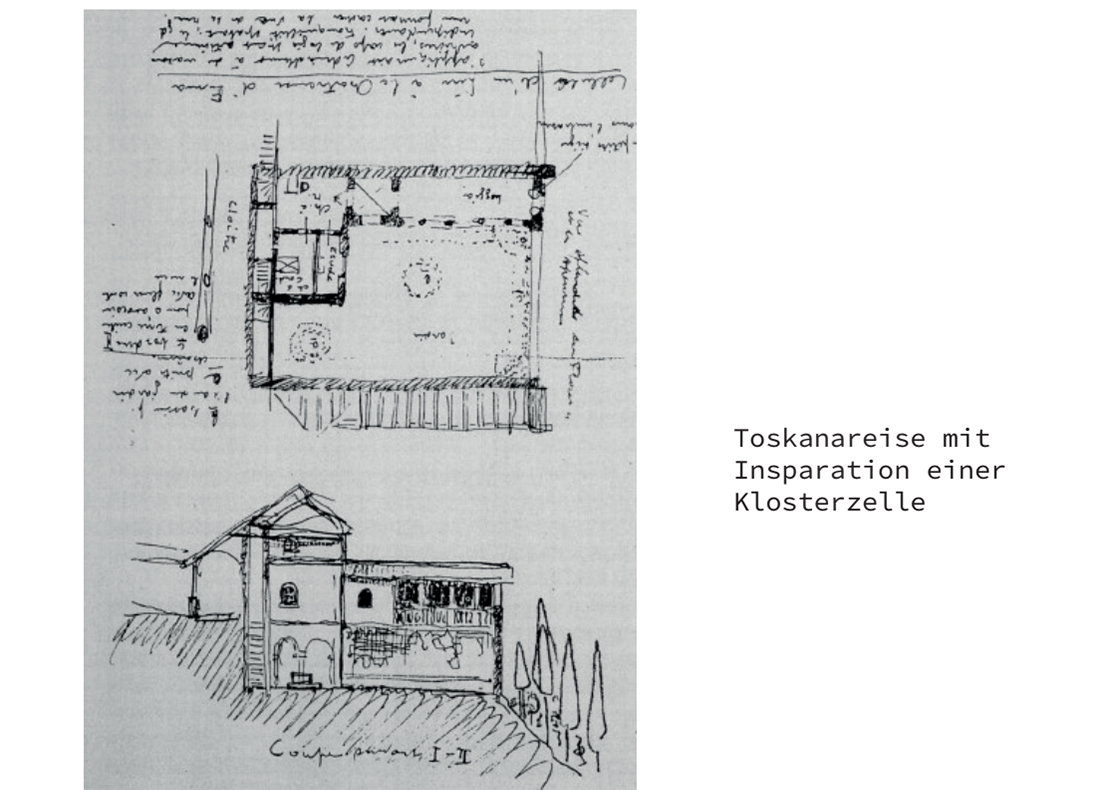
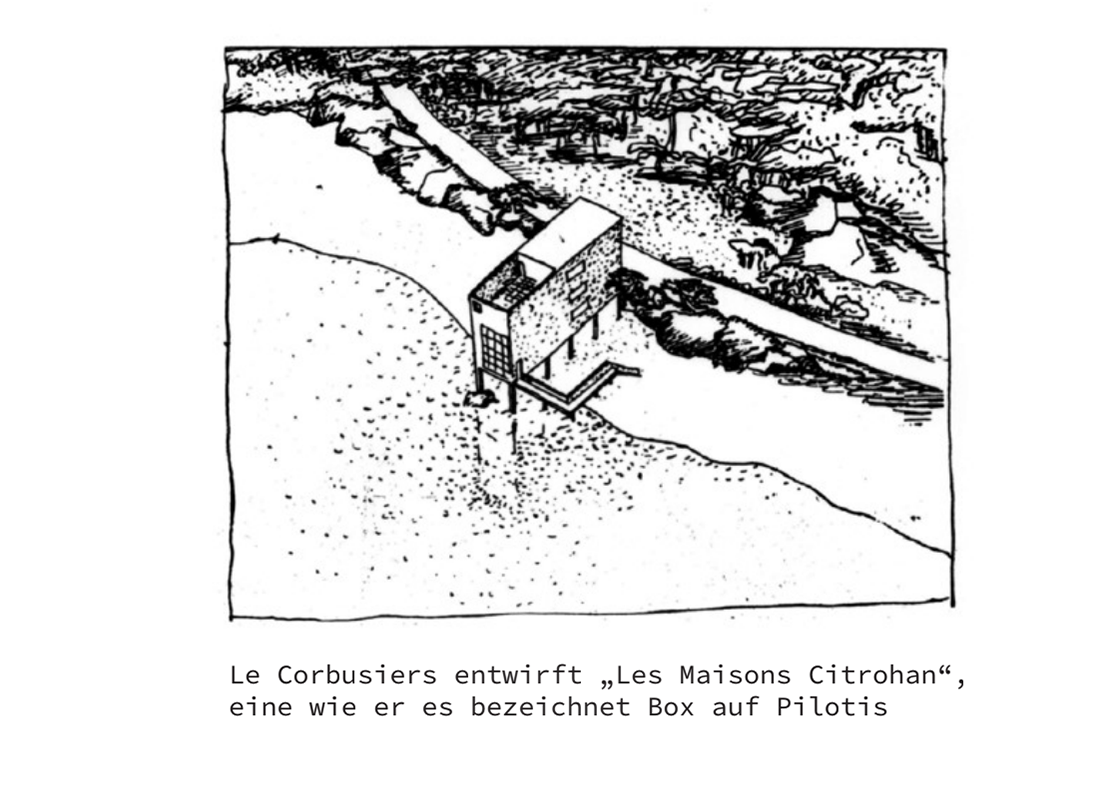
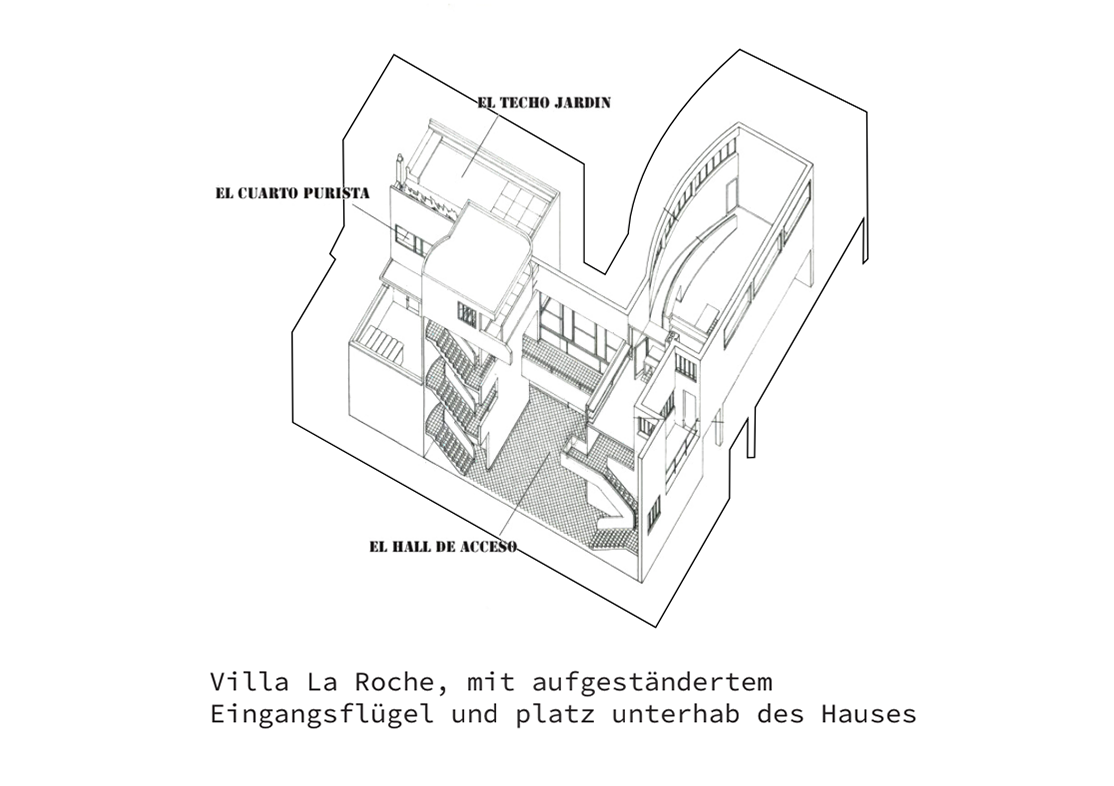
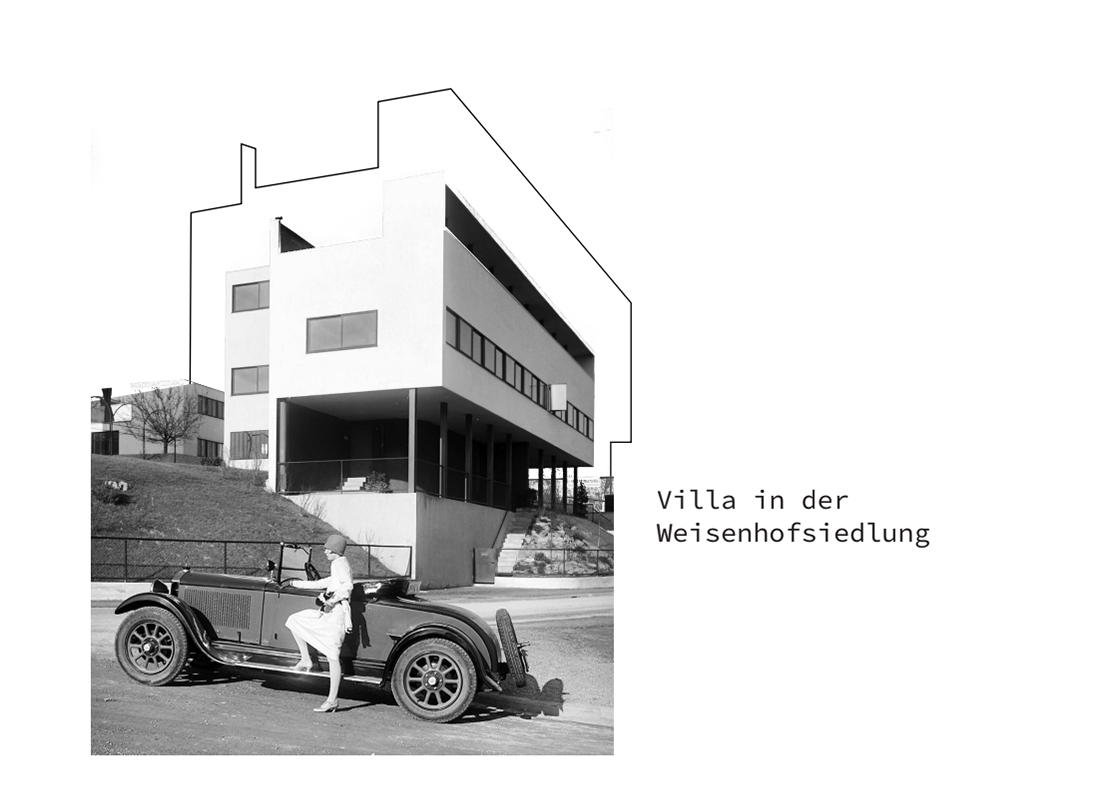
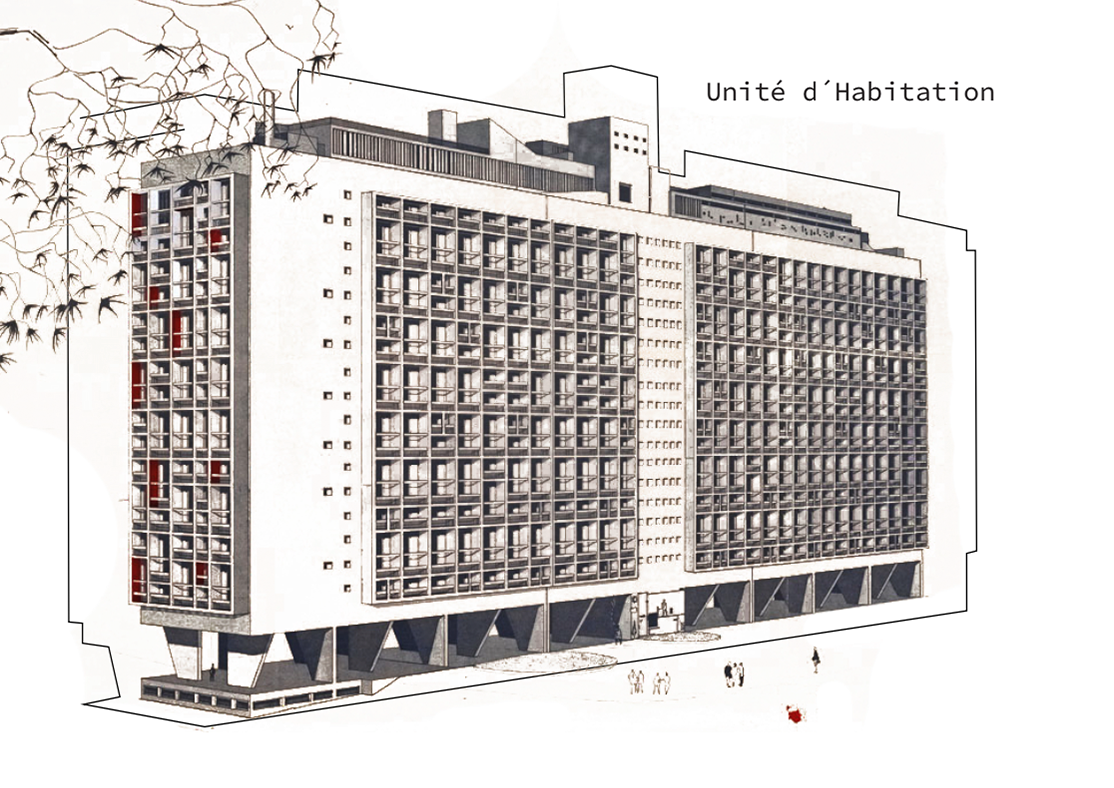
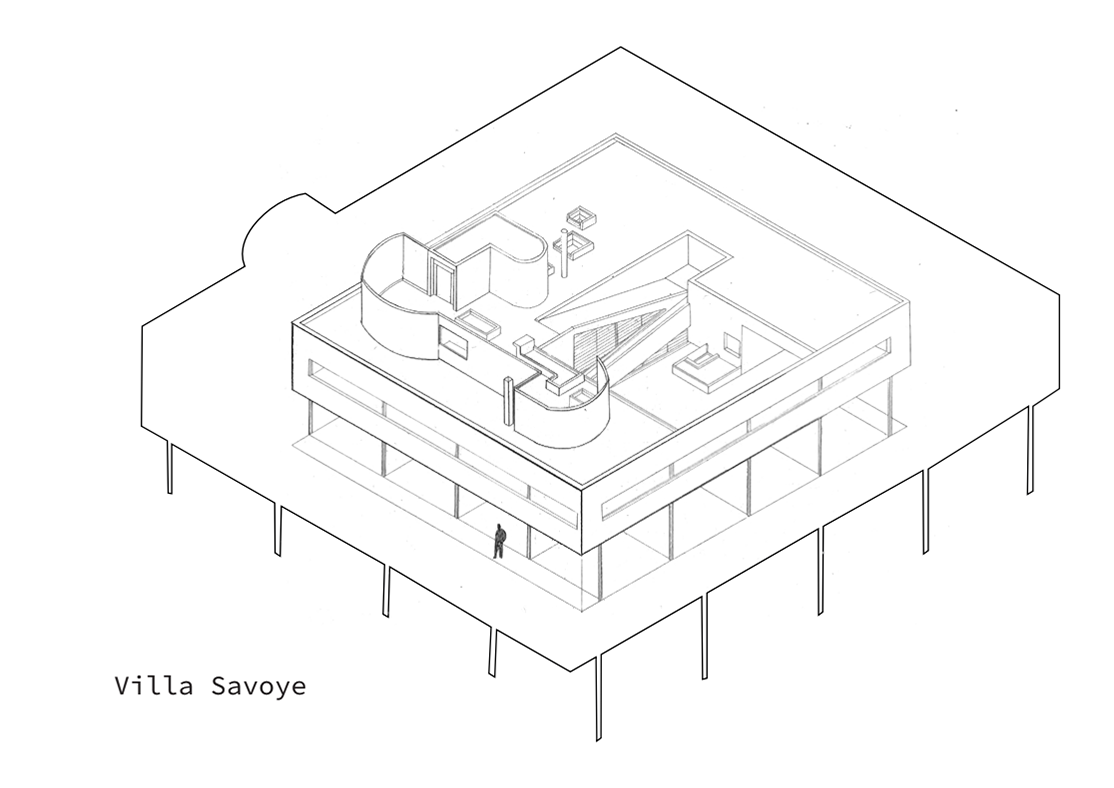
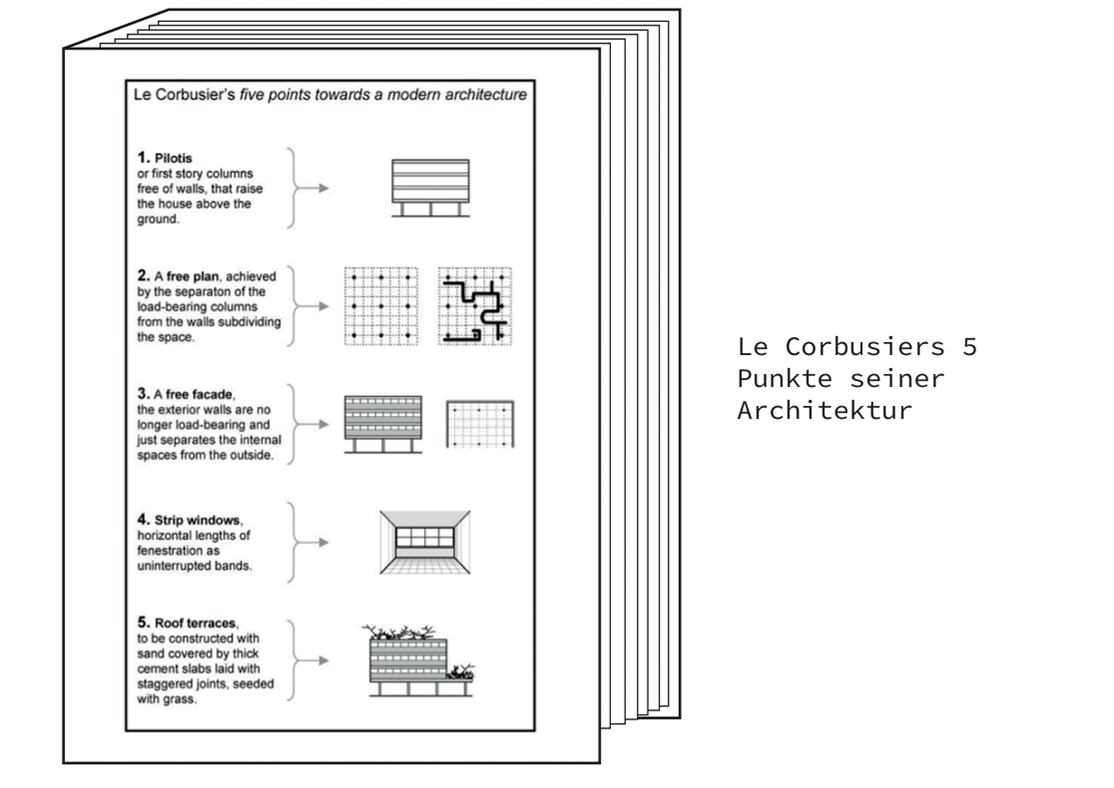
Shaded, well-ventilated spaces and protection from rising water levels are all architectural approaches that offer valuable strategies for today’s climate challenges. They expand our design toolbox with new cultural and climatic perspectives. The goal of the seminar is to explore a historically rooted building typology from the Lake Constance region in dialogue with the casas ribeirinhas of Brazil. By comparing the living environments in the Amazon and at Lake Constance through the lens of Typus : Topos : Tektonik, students will develop an understanding of Brazilian architecture in its cultural context. The book Le Corbusier, the Noble Savage: An Archaeology of Modernism by Adolf Max Vogt will also provide new insight into Le Corbusier’s fascination with pilotis.
Short description text about the results
Lorem ipsum dolor sit amet, consetetur sadipscing elitr, sed diam nonumy eirmod tempor invidunt ut labore et dolore magna aliquyam erat, sed diam voluptua. At vero eos et accusam et justo duo dolores et ea rebum. Stet clita kasd gubergren, no sea takimata sanctus est Lorem ipsum dolor sit amet.
Short description text about the results
Lorem ipsum dolor sit amet, consetetur sadipscing elitr, sed diam nonumy eirmod tempor invidunt ut labore et dolore magna aliquyam erat, sed diam voluptua. At vero eos et accusam et justo duo dolores et ea rebum. Stet clita kasd gubergren, no sea takimata sanctus est Lorem ipsum dolor sit amet.
Short description text about the results
Lorem ipsum dolor sit amet, consetetur sadipscing elitr, sed diam nonumy eirmod tempor invidunt ut labore et dolore magna aliquyam erat, sed diam voluptua. At vero eos et accusam et justo duo dolores et ea rebum. Stet clita kasd gubergren, no sea takimata sanctus est Lorem ipsum dolor sit amet.
Short description text about the results
Lorem ipsum dolor sit amet, consetetur sadipscing elitr, sed diam nonumy eirmod tempor invidunt ut labore et dolore magna aliquyam erat, sed diam voluptua. At vero eos et accusam et justo duo dolores et ea rebum. Stet clita kasd gubergren, no sea takimata sanctus est Lorem ipsum dolor sit amet.
Relation to water Trade played an important role, as finds of goods imported from far away show, and agriculture and fishing were the main sources of food. Due to their location on the water, the pile dwellings provided a good basis for fishing and access to zufruchtbaren land.